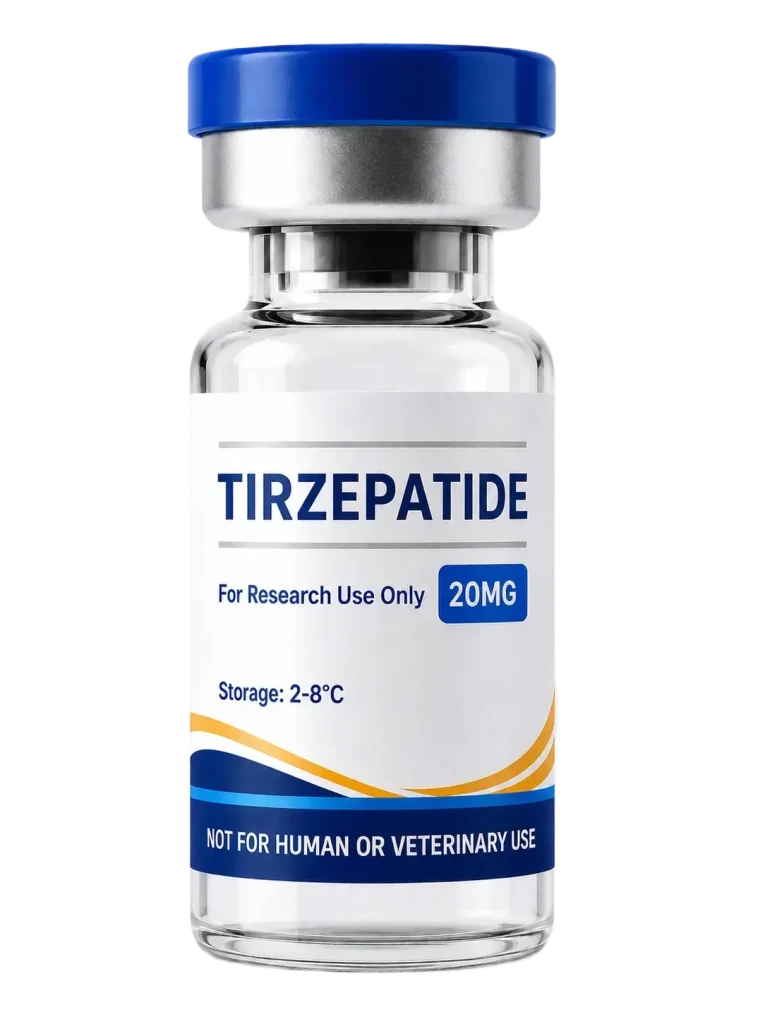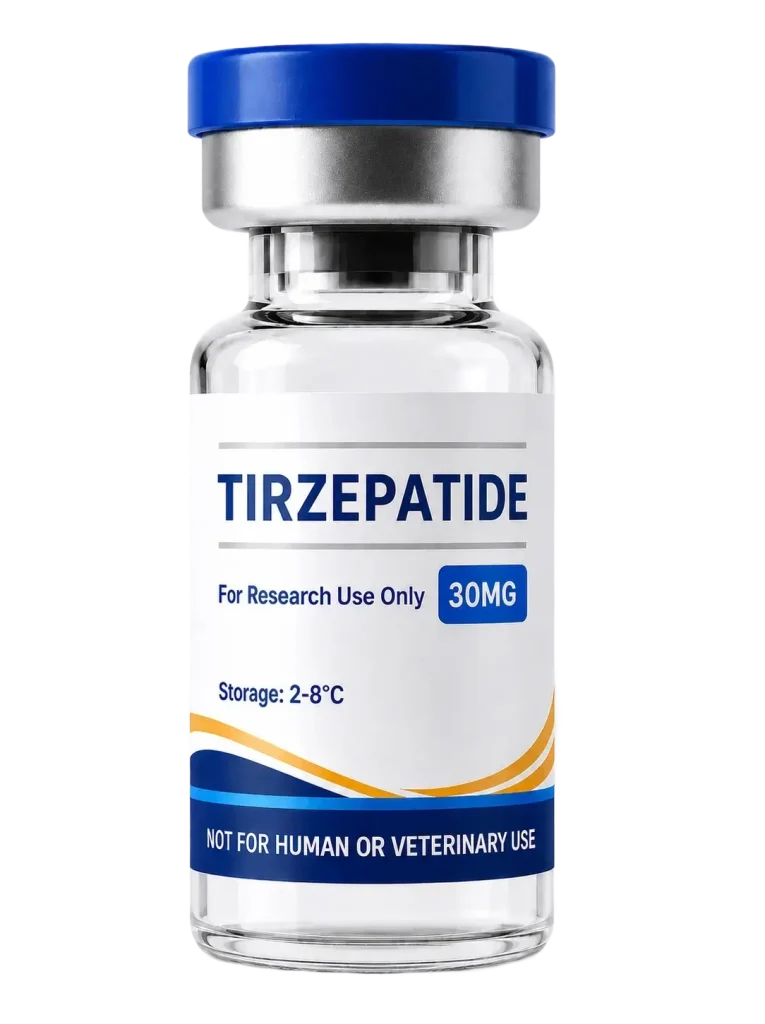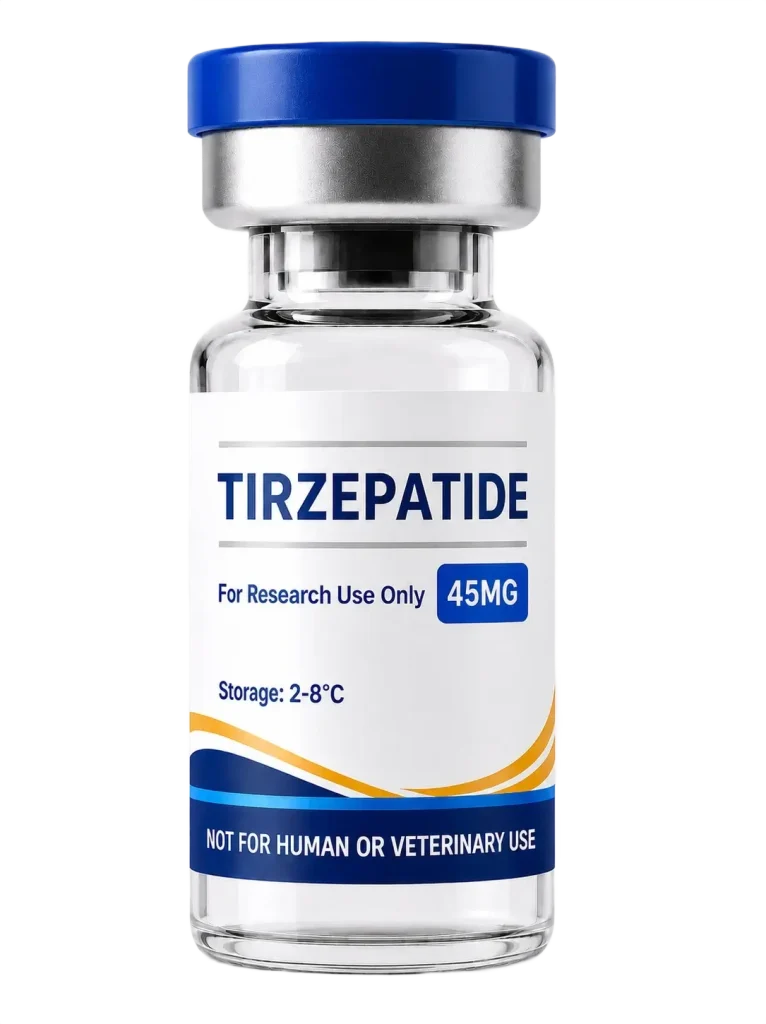
Retatrutide Research Overview

Independent platform focused on retatrutide clinical research and development information

Retatrutide Products
Research Purposes Only

For Research Purposes Only: This product is sold for research use only

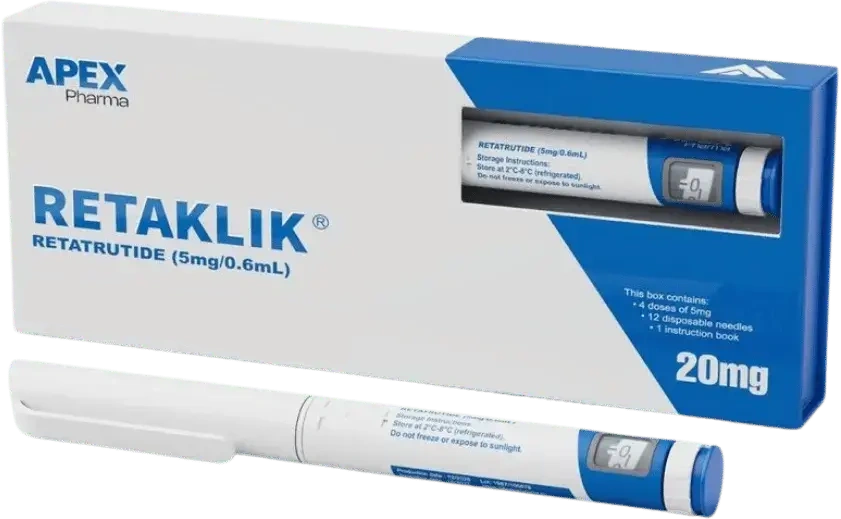
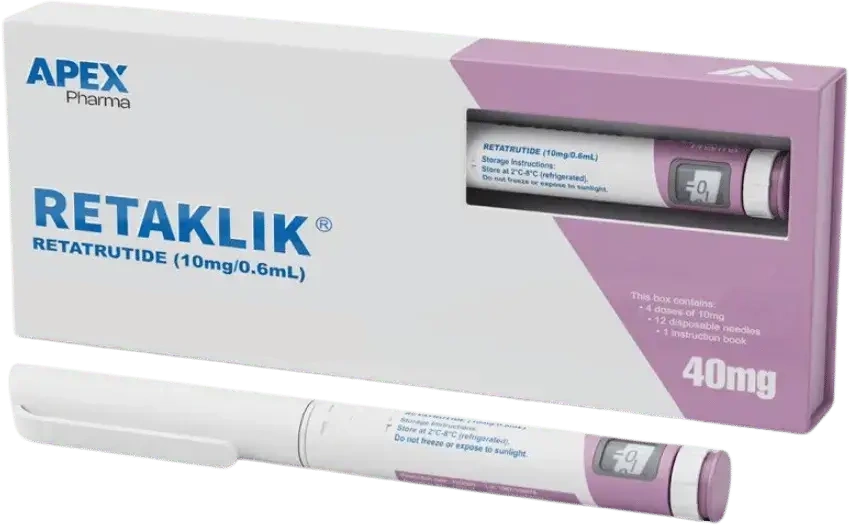
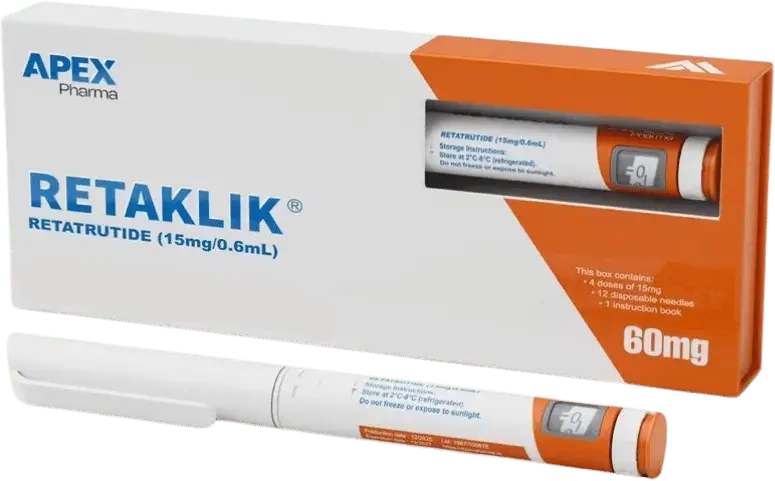
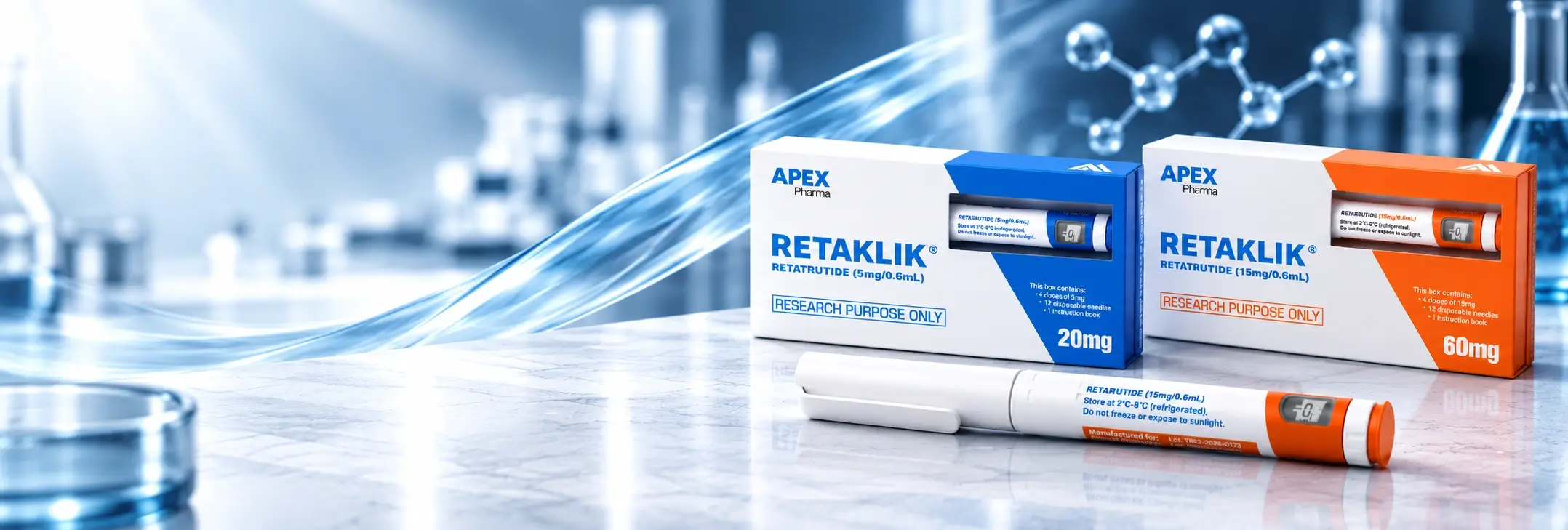
PEN
  • 5,000+ Happy Customers
  • Verified Research Product
  • Fast UK Delivery

Retatrutide

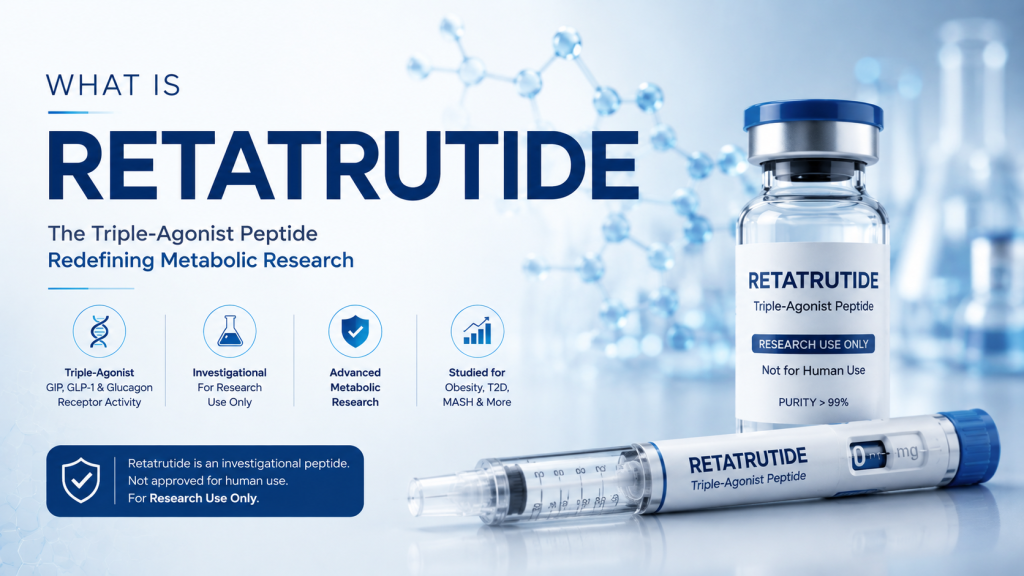
Retatrutide is a peptide currently being researched for its potential as a treatment for obesity and diabetes. It is a triple hormone receptor agonist that targets GIP, GLP-1, and glucagon receptors. Initial research indicates that retatrutide can promote significant weight loss and improve glycemic control. It also shows promise as a potential treatment for metabolic conditions such as fatty liver disease and cardiovascular disease.

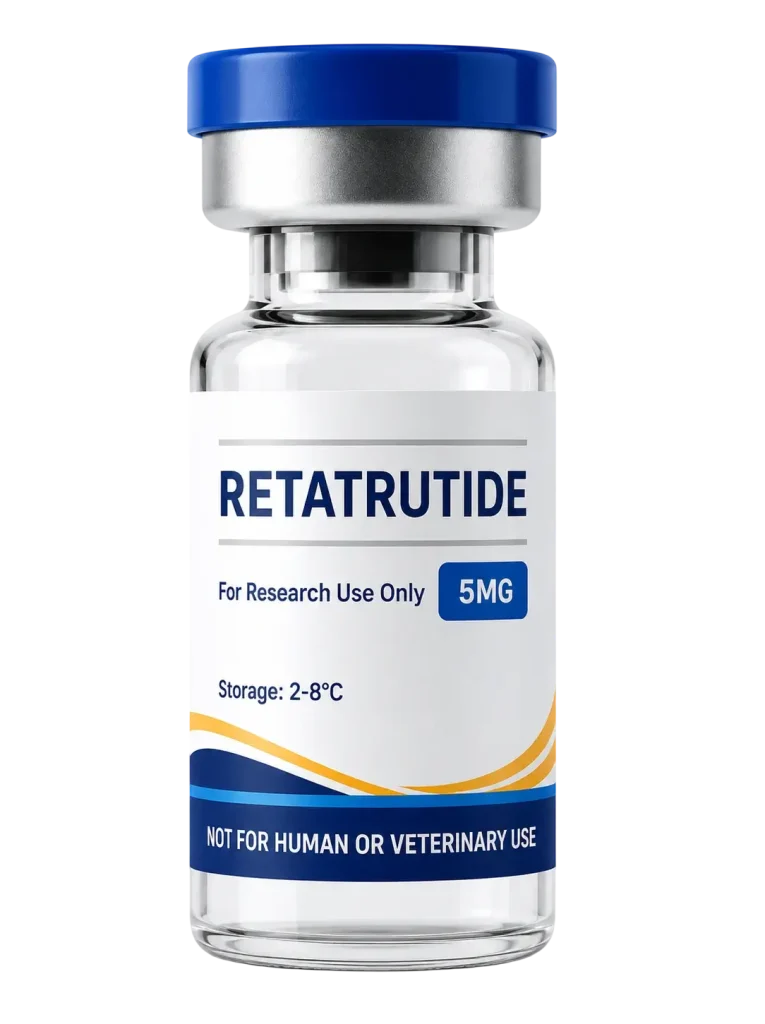
20 mg

£139.99

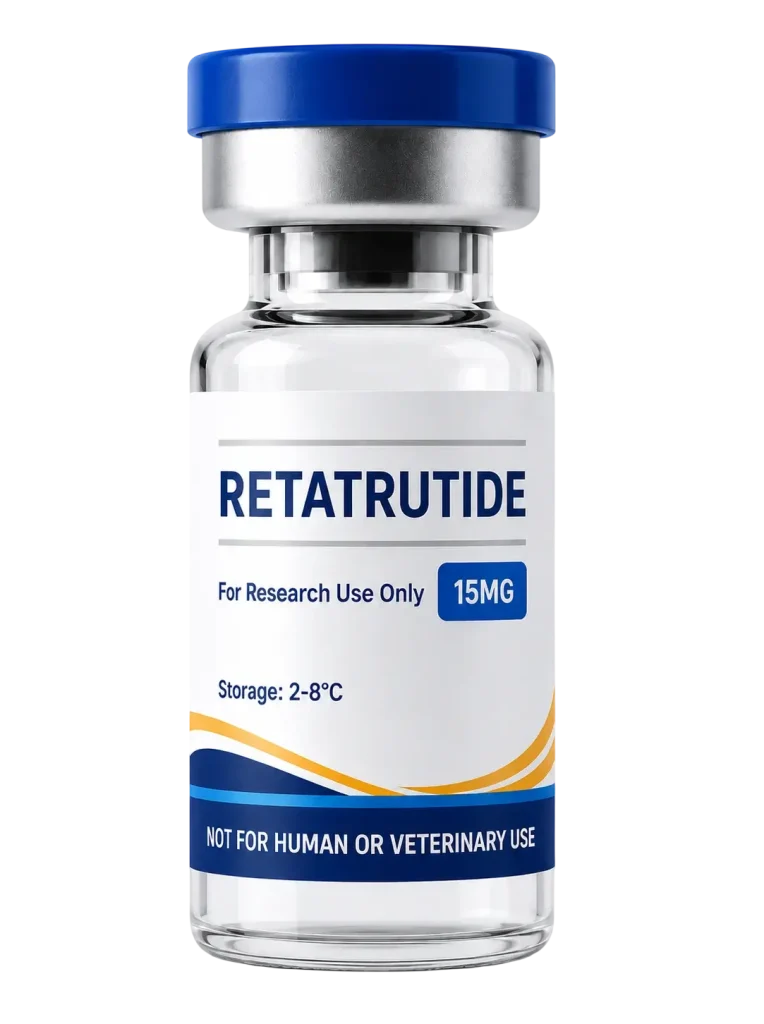
40 mg

£199.99

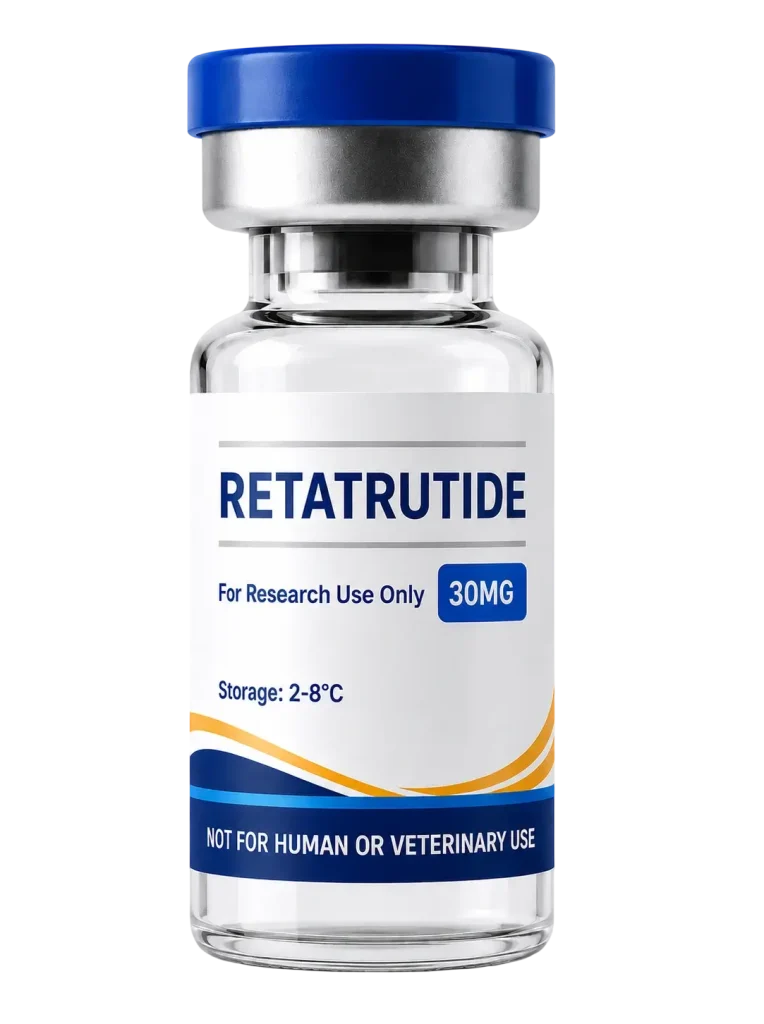
60 mg

£259.99
  • Study: Triple-Hormone-Receptor Agonist Retatrutide for Obesity
  • Journal: New England Journal of Medicine (NEJM)
  • ClinicalTrials ID: NCT04881760
View Full Study
  • Retatrutide is a glucagon, GLP-1, and GIP (triple hormone) receptor agonist being investigated to treat obesity.
  • Retatrutide is currently only accessible through clinical trials.
  • Retatrutide will probably be available as a once-weekly injection.
  • Experts may not be aware of the risks or adverse effects of unapproved medications.
  • Store under refrigerated conditions as recommended
  • Protect from direct light exposure
  • Do not freeze unless explicitly specified by the manufacturer or supplier
  • Follow all handling instructions provided with the product

Supply Information: Established pharmaceutical research entities for research-related purposes.

ABOUT ONLINE RETATRUTIDE

This website provides current, evidence-based insights into emerging clinical research in obesity care, including investigational compounds such as retatrutide evaluated within controlled study settings. Weight management is rarely a simple balance of diet and exercise alone. Sedentary lifestyle patterns and persistent dietary behaviours have contributed to rising obesity rates, making the United Kingdom one of the European countries with a highly affected adult population.

Weight Management
Evidence-Based Clinical Research

Evidence-Based Clinical Research

A large proportion of the adult population in the UK is now experiencing excess body weight, and this number continues to rise year after year. The medical community has shown increasing interest in investigational treatments due to the growing health burden. One such treatment is retatrutide, which is currently undergoing clinical research to evaluate its effectiveness within structured, medically supervised weight management programs.

Impact of Obesity

Impact of Obesity

Obesity can lead to ongoing health problems that affect both physical health and mental well-being. This condition increases susceptibility to diabetes, cardiovascular disease, joint pain, and psychological distress. These challenges often extend into the workplace, where they can impact job prospects, salary growth potential, and everyday self-confidence. Ongoing research involving the retatrutide peptide is examining how multi-pathway hormonal activity may influence metabolism and fat storage. Energy balance and appetite may also be assessed within controlled clinical settings.

The Importance of Medical Supervision

The Importance of Medical Supervision

While ongoing research highlights the potential benefits associated with retatrutide, it may not be appropriate for every individual. Any consideration of retatrutide treatment requires direct medical supervision. This platform provides content for informational purposes only and does not substitute for professional medical advice. A qualified healthcare provider should evaluate treatment options based on each individual’s unique medical circumstances.

Key Characteristics of Retatrutide

Key Characteristics of Retatrutide

Scientific studies explain how Retatrutide interacts with hormonal pathways that control appetite and energy management according to its peptide structure. Peptides function as biological messengers that transmit particular cellular responses in response to hunger signals, metabolic activities and fat usage. Research studies commonly reference the retatrutide peptide dosages to better understand how these mechanisms operate in controlled study environments.

Appetite Signalling

Appetite Signalling

GLP-1–associated pathways are linked with delayed gastric emptying, increased satiety, and steadier blood glucose response.

Metabolic Processing

Metabolic Processing

GIP-related activity is studied for its role in insulin signalling and how efficiently the body converts nutrients into energy.

Fat Utilization

Fat Utilization

Glucagon pathways primarily influence liver function, encouraging the use of stored fat to meet energy demands.

Observed Weight Trends

Observed Weight Trends

Longer clinical trials have reported reduction in body weight over extended observation periods.

Body Composition Findings

Body Composition Findings

Data suggests weight reduction is largely derived from fat mass, with comparatively limited lean muscle loss.

Cardiovascular Indicators

Cardiovascular Indicators

Weight changes have been associated with improvements in waist measurements, blood pressure, and lipid markers.

Liver Fat Levels

Liver Fat Levels

Several studies indicate notable reductions in liver and internal fat among a majority of participants.

Blood Glucose Response

Blood Glucose Response

Improved glycaemic control has been observed in a significant proportion of participants with type 2 diabetes.

Joint Comfort

Joint Comfort

Weight reduction has correlated with decreased knee-related discomfort in individuals with osteoarthritis.

Alcohol Use Research

Alcohol Use Research

Early findings suggest GLP-1–focused therapies may influence alcohol consumption patterns, though further retatrutide research in the UK is ongoing.

Hormonal Pathway Interaction

Hormonal Pathway Interaction

Retatrutide has been studied for its interaction with multiple hormone receptors involved in appetite regulation, glucose balance & energy metabolism.

Energy Expenditure Observations

Energy Expenditure Observations

Research settings have explored how retatrutide may influence overall energy expenditure, which plays a role in metabolic activity and weight related outcomes.

Possible Side
Effects

Individual responses can vary, ranging from mild to moderate digestive discomfort. The most commonly observed symptoms include nausea, vomiting, diarrhea, constipation, and stomach upset.

Less Common Side Effects

Although individual responses may vary, research to date suggests that retatrutide may be associated with fatigue, headache, general gastrointestinal reactivity, and allergic-type reactions in some cases. These potential effects underscore the importance of careful monitoring and appropriate medical supervision when considering its use.

Very Rare Side Effects

Some study participants reported mild injection-site irritation, including temporary sensitivity or tingling in a small number of cases. Early research involving 20 mg and 40 mg doses of retatrutide has shown occasional dose-dependent increases in pulse rate during initial treatment, which generally stabilise as the body adapts over time.

Minimizing Side Effects

Clinical trial protocols have often used a gradual dose-escalation strategy. However, any side effects that are severe or worsening should prompt discontinuation of treatment and evaluation by a qualified medical professional.

Laboratory Research Only

For research purposes only. Retatrutide is not approved for human use. Note that the dosage information is based on published research and clinical trials.

Potential Research-Observed Benefits

Clinical studies have observed associations between retatrutide use and changes in appetite regulation and glycemic markers within controlled research settings. Research literature describes retatrutide as a multi-receptor agonist acting on GLP-1, GIP, and glucagon pathways, with ongoing investigation into its potential metabolic effects.

Structured Weight-Loss Findings

Participants following the dosing regimen - in combination with caloric reduction, physical activity, and lifestyle counseling - demonstrated consistent and gradual reductions in body mass across 24, 48, and 68-week protocols. Some participants lost nearly one quarter of their body weight, all under clinical supervision.

Customer Support & Medical Guidance

Our customer care team can assist with general questions, including inquiries about retatrutide pricing. Support is available via email and live chat, with responses typically provided within 24 hours.

Research Use Only
Research Use Only:

Important: This product is sold for research purposes only. Not for human consumption.

Retatrutide Overview

Retatrutide is a first-in-class investigational compound developed by Eli Lilly, currently being studied for its potential role in managing complex metabolic conditions, including obesity, type 2 diabetes, and fatty liver disease. It is often discussed in research contexts alongside various investigational retatrutide formats; however, these references pertain strictly to clinical evaluation rather than approved use.

Stage 3 Clinical Trials

Stage 3 Clinical Trials

Late-stage phase 3 clinical trials are currently underway for retatrutide, with studies scheduled to continue until 2026. Trial data from these studies have shown improved weight-related outcomes compared with other treatments. In compliance with regulatory requirements, retatrutide access is currently limited to research purposes and is not approved for general or commercial use.


How Retatrutide Works

How Retatrutide Works

This investigational therapy is designed to mimic three naturally occurring hormones that play key roles in hunger regulation and metabolism. Often referred to as a "triple agonist" in scientific literature, it targets glucagon, GLP-1, and GIP receptors; the nickname "triple-G" is increasingly used in research contexts.

Its Role in Weight Management

Its Role in Weight Management

Retatrutide is under investigation for its modulatory effects on appetite control, fat metabolism, digestion rate, and glycemic regulation. Its mechanism is broader than therapies that target single or dual receptor pathways, offering a more comprehensive approach to metabolic regulation.


Appetite Control

Appetite Control

Research suggests that retatrutide’s multi-receptor activity may promote more consistent appetite regulation and metabolic balance over time. In structured clinical programs, this effect may contribute to more effective weight-control interventions.


Research Use Only
Research Use Only:

Side effect information is derived from clinical trial data and research studies. This information is for educational purposes and research planning only. Not for clinical decision-making.

Shipping & Handling Information

This section outlines the regulatory status, shipping, and storage considerations for investigational products such as retatrutide (for research use only).

Approval Timeline

Approval Timeline

The developer of retatrutide is expected to file for FDA review by the end of the year, following the completion of phase 3 trials. The UK regulatory assessment will take place after this process.

UK Availability

UK Availability

At present, retatrutide is not approved for prescription or retail use in the UK. Licensing is expected to begin early next year.

Shipping and Storage

Shipping and Storage

Standard practices for handling retatrutide include temperature-controlled transport, tracked delivery, and refrigeration at 2°C to 8°C. These measures help maintain the compound’s stability under approved conditions.

Clinical &
Medical
Information

The dosing protocols for retatrutide are not yet established and remain under continued clinical assessment. Published literature varies widely on dosage regimens, with an emphasis on the importance of gradual dose selection under the direct support and monitoring of a medical doctor to assess clinical tolerance and individual response assessment.

Medical Injection
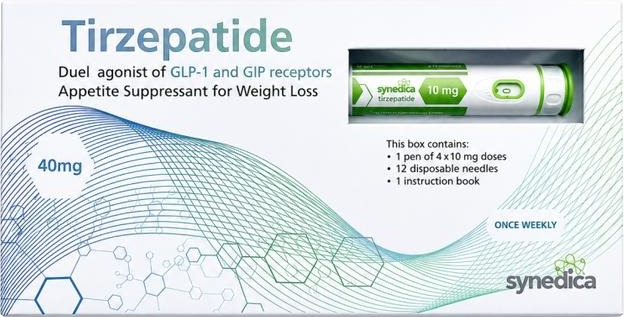
Injection Pen

Dosage Ranges

Clinical evidence, on the other hand, suggests that the drug remains effective at low to moderate doses. Any movement to maintenance or dosage increase should be achieved only under structured medical supervision and ongoing and regular health follow-up.

Usage & Administration Guidance

In the countless clinical trial iterations, retatrutide has been available in pen and other investigational formats. Administration is described below the skin, not attempting to reach deeper into the muscle or vein. Besides administration through these options, no other known formulations include alternative pathways toward retatrutide.

01

Dosage Scheduling

As documentation prescribes, retatrutide should be considered for injections on time as it has a marked duration of action. A steady introduction process is used by incrementally adjusting the dosage under the supervision of a healthcare practitioner.

02

Maintenance Dosage

Maintenance levels are set through the physician's discretion, observing the treatment response, and adjusted for that on a case-by-case basis, incorporating the concurrent lifestyle administration.

Laboratory Research Only

Retatrutide is for research only and has no approval for human use. Dosing data are inferred from publications and from trials.

Safety Information & Warnings

Comprehensive safety and efficacy data will become available upon completion of the phase 3 trials. However, existing evidence suggests that certain retatrutide dosing formats may not be appropriate for individuals with a history of pancreatitis or thyroid disorders.

Caution is advised for adults over the age of 65. Retatrutide is not indicated for children, females who are pregnant or planning to become pregnant, or females who are breastfeeding, due to insufficient long-term safety data.

Retatrutide is known to affect blood glucose regulation. It should not be combined with other GLP-1–based weight-loss agents or medications used to treat insulin-mediated conditions, as this combination may significantly increase the risk of hypoglycemia (dangerously low blood sugar levels).

Consuming alcohol while taking this medication may worsen nausea or vomiting due to its effects on blood sugar balance. Additionally, alcohol is high in calories and may stimulate appetite, which can hinder weight management efforts. Before considering use of any investigational compound, always consult a qualified healthcare professional for appropriate medical guidance.

  • Discreet Packaging

    Discreet Packaging

    Orders are shipped in secure, privacy-protected packaging.
  • Secure Ordering System

    Secure Ordering System

    Advanced encryption ensures safe and confidential transactions.
  • 24/7 Customer Support

    24/7 Customer Support

    Friendly support available anytime you need assistance.

Frequently Asked Questions

Lower dose options, such as 20 mg, are generally preferred in early-stage or dose-escalation research protocols.

Retatrutide is an investigational peptide being studied for its potential role in metabolic and weight management within controlled research settings under medical supervision.

Retatrutide is typically administered via injection in accordance with professional or clinical guidance.

No. Retatrutide is currently in advanced-stage clinical trials investigating its effects on metabolic health and has not yet been approved for medical use in the UK.

Commonly reported side effects include gastrointestinal discomfort. Serious reactions have been reported rarely.

Retatrutide should be stored under refrigeration and protected from direct sunlight. Always follow the provided storage instructions for proper handling.

Individuals with certain underlying medical conditions, as well as those who are pregnant or breastfeeding, should avoid using retatrutide unless advised otherwise by a qualified healthcare professional.

Yes. Consultation with a qualified healthcare professional is strongly recommended before considering its use for any purpose.

Yes. Ideally, this peptide should be stored in the refrigerator between 2–8°C

Delivery times within the UK may vary depending on location but are typically within 1–3 days of placing an order.

Medically Reviewed by:

Dr Kanika Raina, BDS, MBA (Hospital & Healthcare Management)

Last reviewed: February 2026

References:

Customer Reviews

Have you shopped on our website before? Leave a short comment outlining your experience.

S
Sarah Williams feb 03, 2026
I have been sourcing retatrutide from OnlineRetatrutide.com for approximately 10 weeks for laboratory research purposes, and the overall experience has been very positive. The compound arrived securely packaged, and the ordering process was straightforward. The website provides clear research information, and delivery was prompt and discreet. Very satisfied with the product quality and professional service.
J
James Carter feb 10, 2026
I was initially cautious about ordering research compounds online, but the website presented transparent information and appeared reliable. The retatrutide product was delivered quickly and in proper condition for research use. Customer support was responsive and helpful throughout the process. Overall, a smooth and professional experience for research procurement.

Add Review